

LDPE recycling
LDPE Recycling Service For Businesses
We provide LDPE (Low Density Polyethylene) recycling services for businesses across the UK. Get in touch to book a waste collection today.
Who we collect from
- Manufacturing & packing
- Retail & distribution
- Construction & insulation
- Logistics & warehousing
- Councils & public sector
LDPE DISPOSAL SERVICE
Low Density Polyethylene Recycling Service
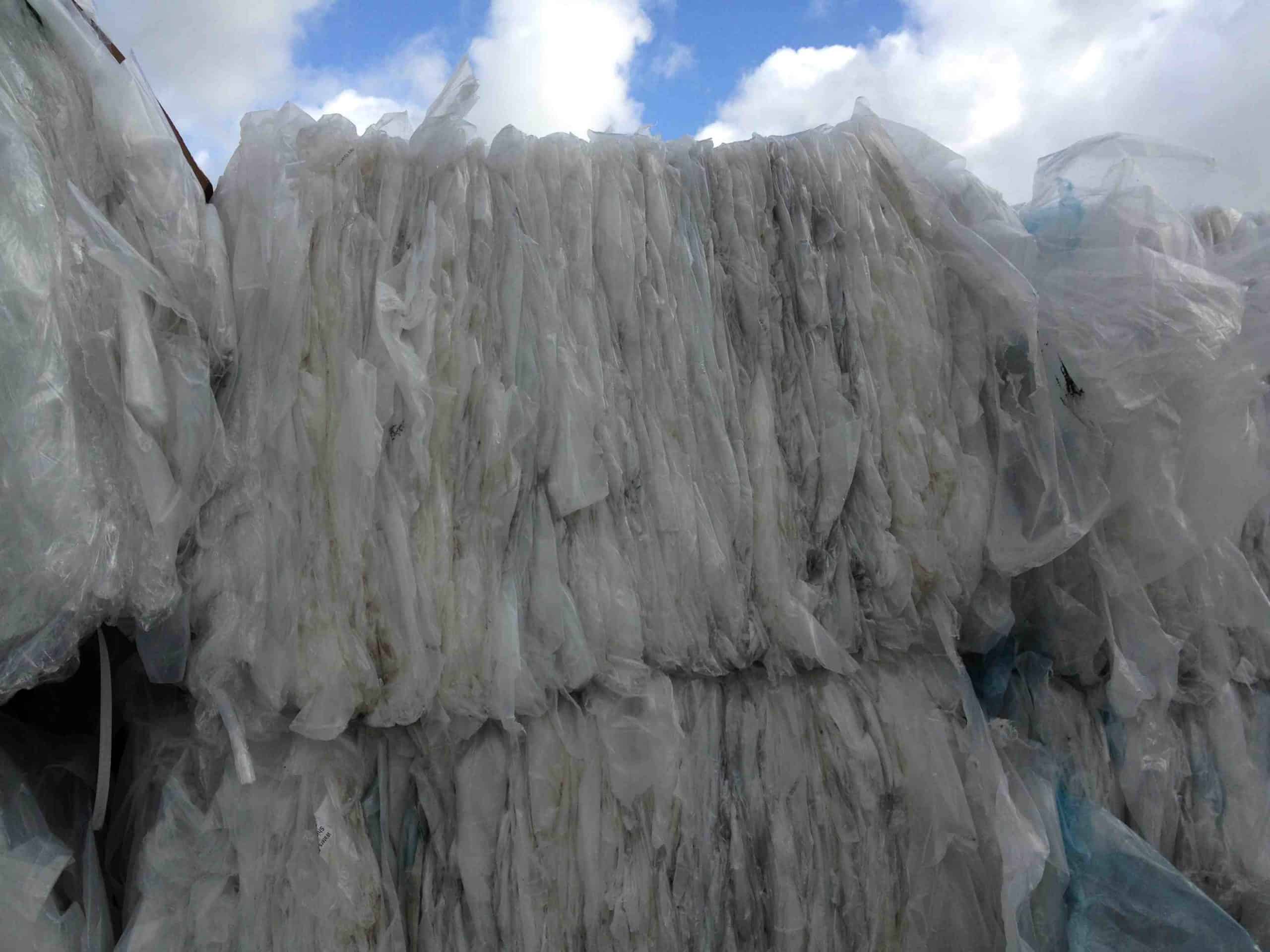
We provide LDPE recycling and waste collection services for businesses across the UK. This includes plastic packaging, plastic film and other LDPE materials. LDPE waste can be collected nationwide and transported to licensed recycling centres for repurposing. LDPE is 100% recyclable, and should never be placed in your general waste.
The process
How our LDPE collections work
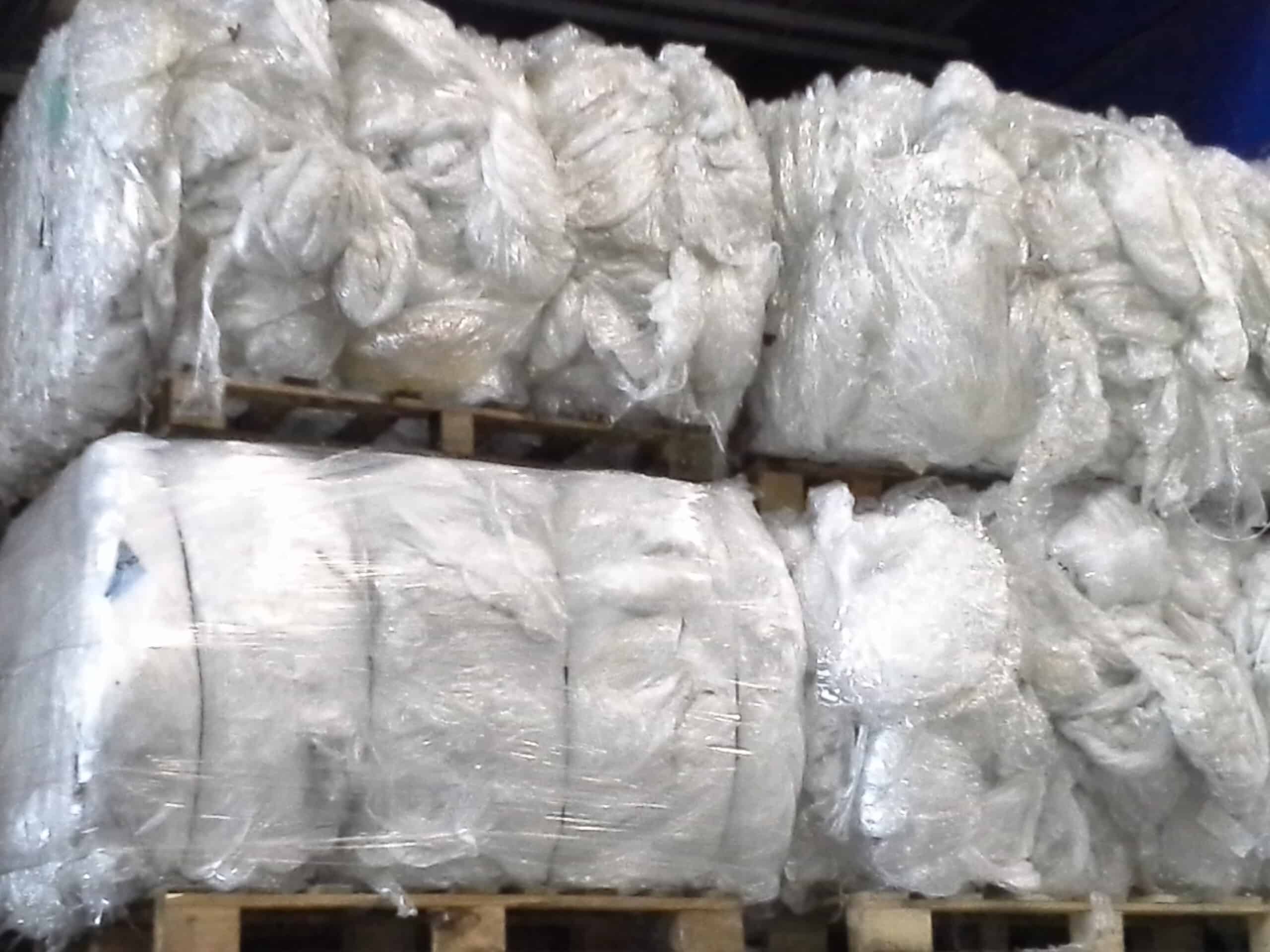
We provide a dedicated point of contact for each of our customers, with clear communication throughout. Collections are available on a ad-hoc or scheduled basis.
1
Send us your details
Send us your contact information, waste details and collection address.
2
Receive a quote
We provide a price for the collection, depending on the volume and location.
3
Arrange a collection
Licensed carriers and our haulage network collect your materials.
4
Recycle your materials
LDPE waste is sent for recycling. Nothing to landfill or incineration.
5
Receive documentation
Waste Transfer Note and recycling certificate provided for your audit file.
LDPE Products
Where will you find this type of plastic in your business?
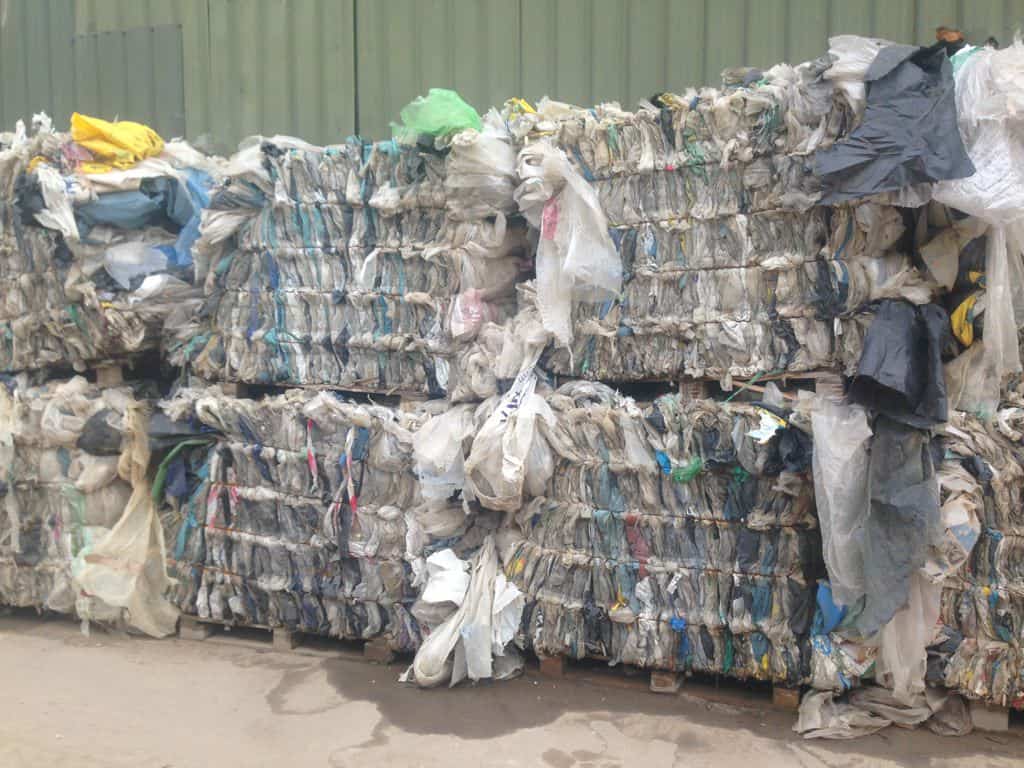
You will find low-density polyethylene in a number of different items. This can include LDPE products such as:
- Pallet Wrap
- Containers
- Shrink Wrap
- Packaging
- Bags and Coverings
- Squeeze Bottles
Compliance
Your duty of care, documented
Every load is tracked and every document is issued as standard, so your audit file is complete without anyone chasing us for paperwork. Copies are available on request at any time from our waste management team.
Waste Transfer Notes
ISSUED
Registered waste carrier licence
ON FILE
Permitted destination sites
AUDITED
Recycling certificates & audit trail
PER LOAD
Dedicated account manager
EVERY CLIENT
End markets
What can recycled LDPE plastic be made into?
This sort of plastic can be made into a number of different products and uses through polyethylene recycling. Here are some examples to give you a better understanding:
Shipping envelopes
Furniture
Plastic Lumber
Film Plastic
Panelling
Rubbish Bins
Compost Bins
Bin Liners
RECYCLING METHODS
The LDPE recycling process and its challenges
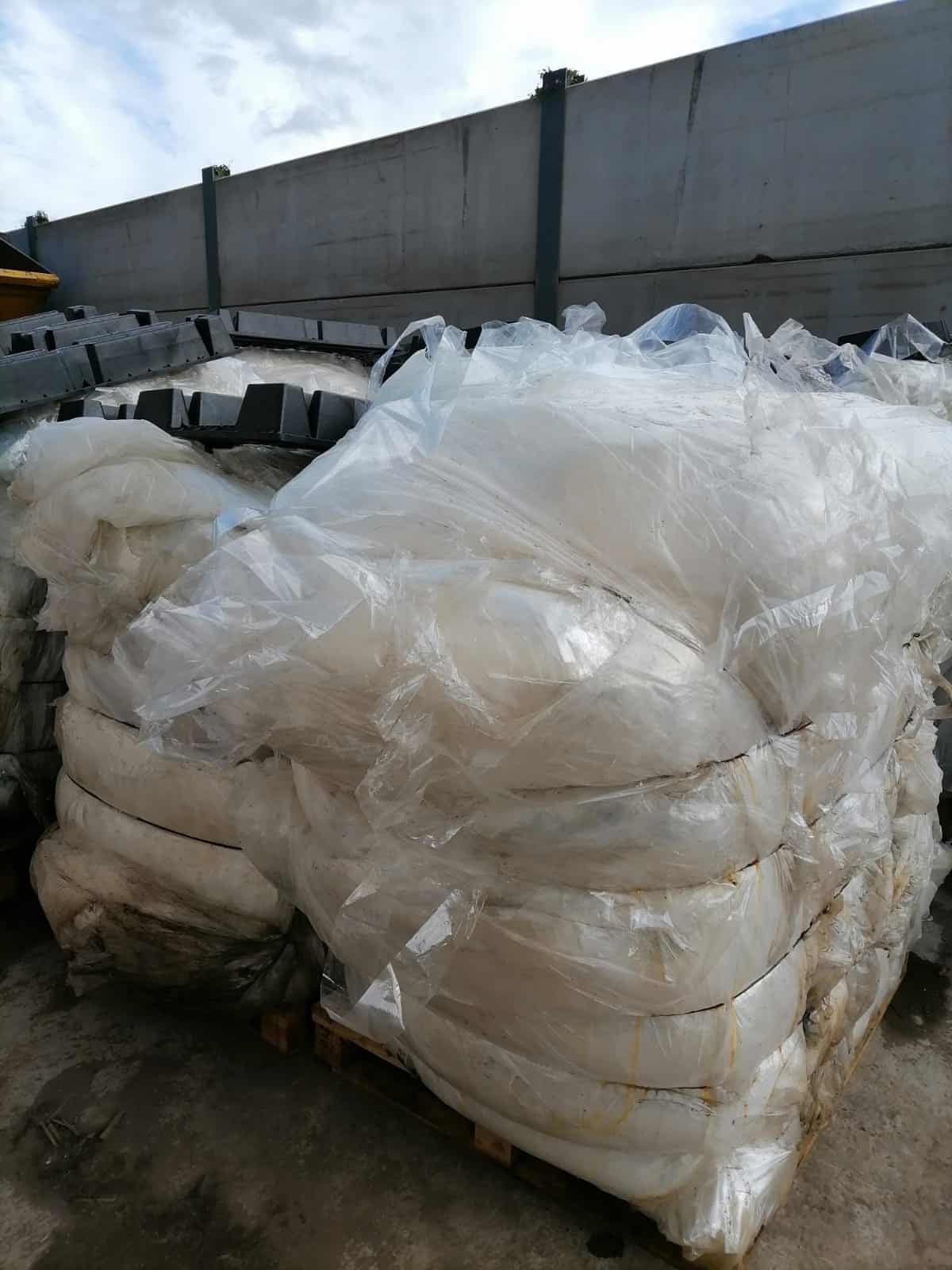
The polyethylene recycling process, as well as some of the different challenges faced during this. First, the film is collected from your premises. This often includes locations such as warehouses or farms. By using a waste baler or waste compactor, businesses can bale this waste easily for collections. We supply plastic waste balers for hire in the UK.
The waste is then transported to a licensed recycling facility. One of the great challenges of recycling LDPE film is that because of its uses in agriculture, it is often contaminated, and must go through a proper cleaning and sorting process before it can be recycled. This can become time, energy and financially inefficient.
Once clean, the other challenge comes for the recycling machines. A general recycling machine would get LDPE film stuck in its teeth, causing damage to the machine. On the other hand, special LDPE recycling machines can chew up the plastic into small pieces and then form them into pellets.
These pellets can be turned into a variety of things and are often mixed with a bit of virgin LDPE to improve their strength and reliability. Black bin bags, black agricultural film, or irrigation pipe are all likely to be made from recycled LDPE. Commonly recycled LDPE will be black, because with recycling plastics, it is easy to turn a clear plastic black, but impossible to turn a black plastic clear.
Processing LDPE is among the easiest of the plastics, with the potential for injection moulding, rotational moulding, film blowing and blow moulding. It can be made anti-slip, anti-static, antibacterial and flame retardant. With all this ease and potential, LDPE recycling is a growing industry in the UK but the greatest challenge remains trying to make the plastic clean and decontaminated in an efficient way.
LDPE Recycling Collections
LDPE Recycling for your business
Does your company have LDPE plastic for recycling? Contact our team today to find out how we can help your company reduce costs and recycle plastic efficiently.
At Plastic Expert we can help guide you through your plastic recycling needs and make the process as easy, flexible, and efficient as possible.
FAQs
LDPE stands for low-density polyethylene, a thermoplastic that is created from the monomer ethylene. This type of plastic is often utilised in film applications because it is relatively transparent, as well as flexible and tough. It is also used to produce some flexible bottles and lids, as well as being used in cable and wire applications. Below, we are going to explain everything you need to know about polyethylene recycling and the LDPE recycling process. Polyethylene is usually manufactured in one of two ways; Low Density or High Density. Other than the scientific differences, the most noticeable difference is their strength and weight. We will look specifically at Low-Density Polyethylene Film, something that can be commonly found in homes in the form of cling film.
While this may not be the most popular type of plastic for household supplies and food containers, LDPE is present in the home in the form of carrier bags. In the UK, low density polyethylene (LDPE) is the most common form of plastic utilised by manufacturers at 19.3%. Although these plastic bags disintegrate at a quicker rate than plastic bags made from high density polyethylene (HDPE), they still pose a threat to the environment, and recycling them effectively is imperative.
There are many benefits and drawbacks associated with this type of plastic, as is the case for all plastics on the market today. Some of the main benefits of LDPE are impact strength, chemical resistance, low specific gravity and resistance to low and high temperatures. Some of the main drawbacks of LDPE are high coefficient of thermal expansion, a very low stiffness and tensile strength in comparison to HDPE.
Yes, LDPE is commonly used for cling film used in households. LDPE film is also used for agricultural purposes, such as keeping strawberries, mushrooms, and tomatoes fresh. LDPE is thinner than HDPE, but sometimes they are used for similar purposes, like in warehouses, as bubble wrap or for wrapping pallets. Because of how robust the film is, and how transparent, it has become an ideal option for many purposes in industrial applications.