

POLYPROPYLENE RECYCLING
PP (Polypropylene) Plastic Recycling For Businesses
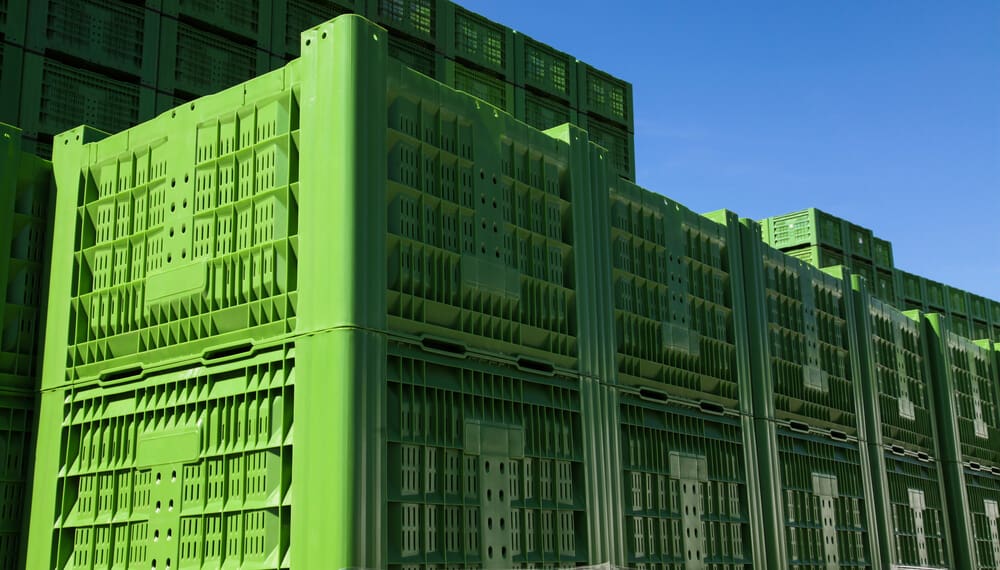
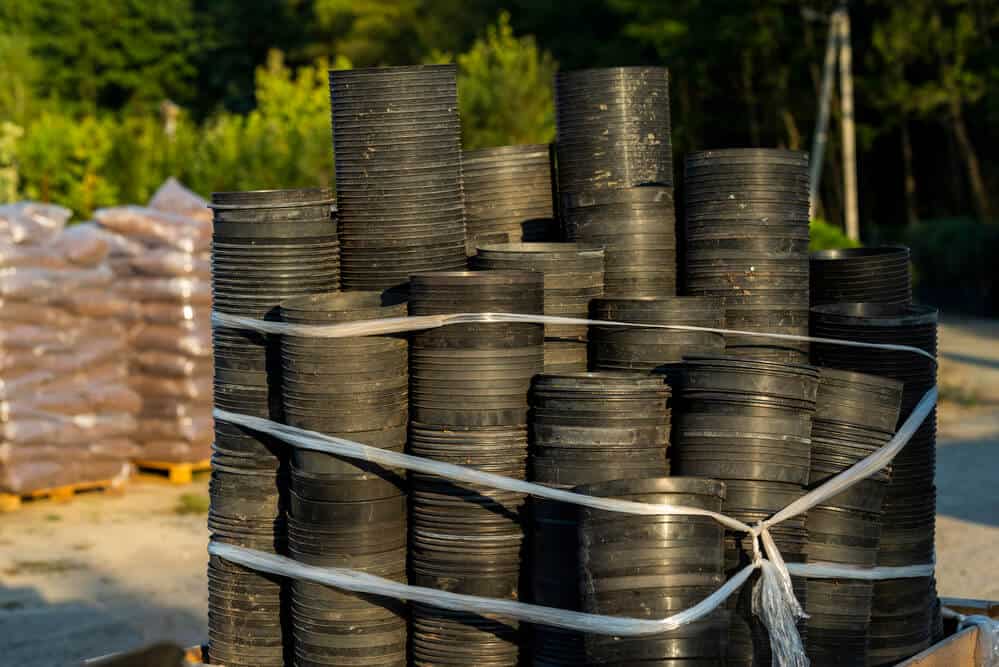
Our team collects and recycles PP waste for businesses nationwide. This includes crates, pallets, plant pots and many other products.
Who we collect from
- Manufacturing & packing
- Retail & distribution
- Logistics & warehousing
- Councils & public sector
POLYPROPYLENE DISPOSAL SERVICE
PP Plastic Waste Recycling
Our plastic recycling company collects and recycles PP plastic materials for businesses across the UK. Our recycling service includes nationwide collections, helping businesses reduce their carbon footprint and manage PP waste easily. Please get in touch with our waste management team today to find out more and receive a quote.
#5 Identification Code
100%
Recyclable
Recyclable
The process
How our PP waste collections work
We provide a dedicated point of contact for each of our customers, with clear communication throughout. Collections are available on a ad-hoc or scheduled basis.
1
Send us your details
Send us your contact information, waste details and collection address.
2
Receive a quote
We provide a price for the collection, depending on the volume and location.
3
Arrange a collection
We provide licensed carriers to collect and transport the waste.
4
Recycle your materials
PP plastic is sent for recycling and repurposed into new materials.
5
Receive documentation
Waste Transfer Note and recycling certificate provided for your audit file.
PP PLASTIC PROPERTIES
Is Polypropylene (PP) recyclable?
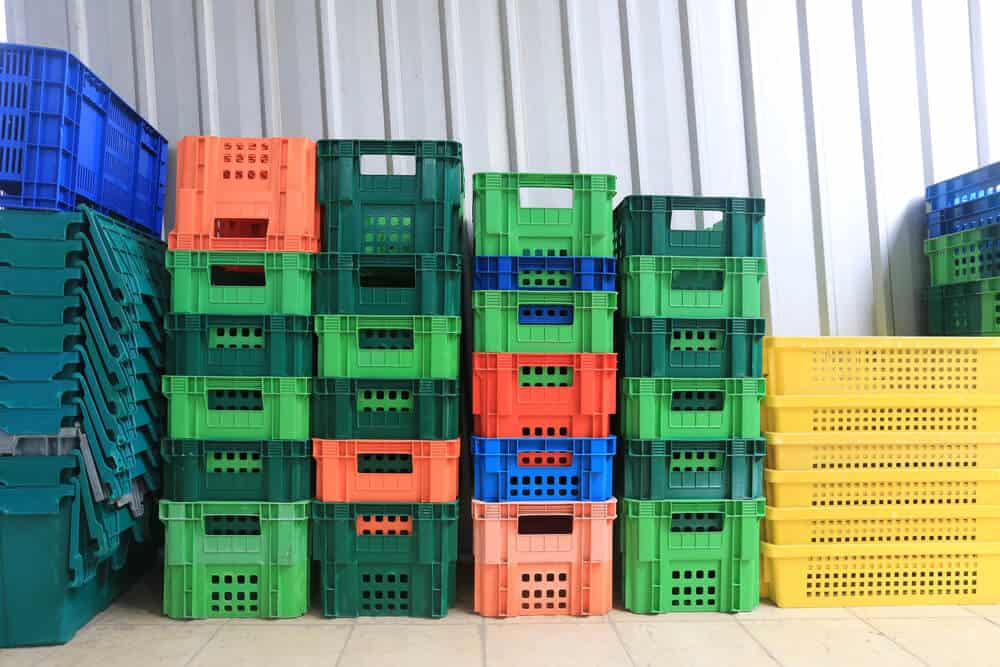
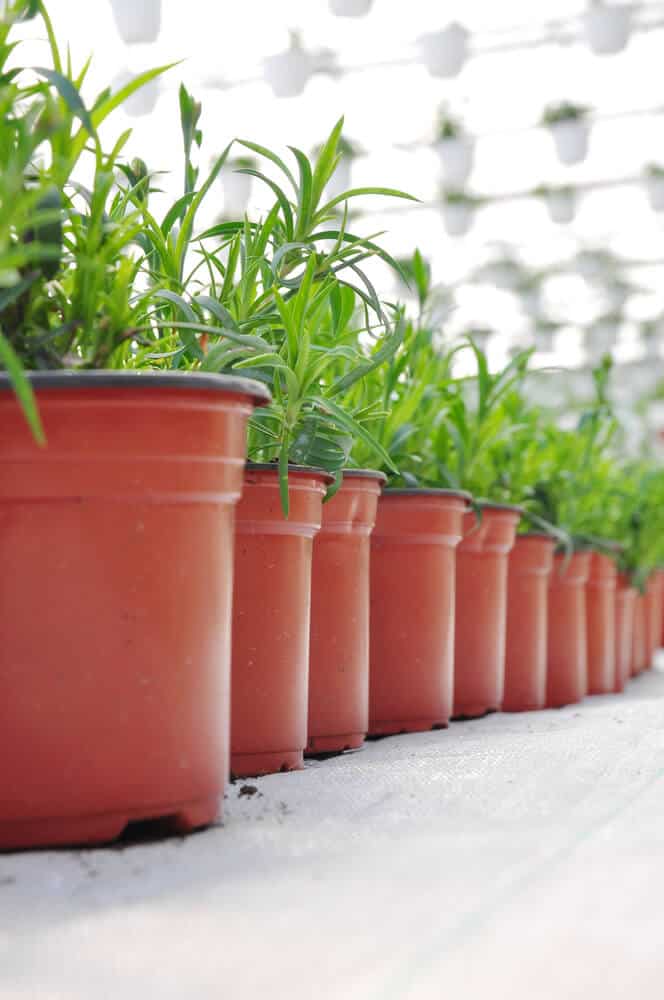
Yes, polypropylene is recyclable, and carries the number 5 identification code. PP plastic is one of the most commonly used materials in the manufacturing of products like crates, boxes, yoghurt pots, carrier bags, plastic bottles, flower pots and correx, a plastic item that is often used for signage. Whilst this plastic type is so widely used, the great news is that it is also recyclable.
Compliance
Your duty of care, documented
Every load is tracked and every document is issued as standard, so your audit file is complete without anyone chasing us for paperwork. Copies are available on request at any time from our waste management team.
Waste Transfer Notes
ISSUED
Registered waste carrier licence
ON FILE
Permitted destination sites
AUDITED
Recycling certificates & audit trail
PER LOAD
Dedicated account manager
EVERY CLIENT
PP RECYCLING INFORMATION
Key Facts About PP Plastic Recycling
Products made of PP degrade slowly in landfills. They also cause significant harm when being incinerated; the process of burning plastic to generate energy. When recycling PP waste, materials are diverted from these facilities, and can be melted down and reprocessed into new products.
Despite being recyclable, this type of plastic is one of the least recycled post-consumer plastics. This means we are using up vital raw resources to produce this plastic at demand. With the help of Plastic Expert, businesses can help boost the recycling rate of PP and increase their green credentials.
End markets
What Products Are Made From Recycling PP (Polypropylene)?
Polypropylene is one of the most versatile polymers in use, and one of the most reprocessable. Because it tolerates heat and repeated melting far better than most plastics, recycled PP holds its mechanical properties through multiple cycles. Below are the products your baled PP most commonly becomes:
01
Automotive Parts
PP is the automotive industry’s workhorse polymer. Recycled granulate is moulded into bumpers, wheel arch liners, battery casings and interior trim, where its impact resistance and low weight matter more than appearance.
02
Plastic Packaging
Reprocessed PP returns to non-food packaging as tubs, closures, caps and rigid containers. It is chosen for its stiffness and its resistance to moisture, acids and cleaning chemicals.
03
Clothing
Melted and spun into fibre, PP becomes thermal base layers, workwear linings, carpet backing and geotextiles. It wicks moisture rather than absorbing it, which makes it well suited to technical fabrics.
04
Plastic Bottles
PP is used for bottles and closures that need to withstand hot filling or aggressive contents; detergents, cleaning products, medical containers and food-safe packaging.
05
Pallets And Crates
One of the highest-volume outlets for recycled PP. Granulate is moulded into pallets, stacking crates, dollies and returnable transit packaging, all of which are recyclable again at end of life.
06
Compost Bins
Garden furniture, decking boards, storage boxes and compost bins are made from recycled PP because it stands up to UV, damp and frost without rotting or splitting.

Case study · Manufacturing Company
PP sacks, LDPE and cardboard recycling
27 bales as a mixture of three grades
We received an enquiry from a packaging manufacturer regarding their baled recyclable waste being produced on-site. A high-top lorry was ordered on this occasion, and the customer loaded a total of 27 bales including a mixture of three grades: PP sacks, LDPE film and cardboard.
27 bales
recycled
3 grades
collected
0%
to landfill
PP Recycling Advantages
The Benefits Of Recycling PP
Recycling polypropylene (PP) plastic waste has numerous benefits for both the environment and economy:
- Conserving raw materials: It conserves natural resources by reducing the need for raw materials to be extracted and processed.
- Energy reduction: Recycling PP decreases energy consumption and greenhouse gas emissions associated with the production of new plastic products.
- Reduces incineration: We can reduce the amount of plastic waste that ends up being incinerated, helping to decrease its environmental impact.
- Boost economy: Additionally, recycling creates jobs in the recycling and manufacturing industries, contributing to local economies.

PP WASTE COLLECTIONS
Polypropylene Recycling Company
Polypropylene is one of the most widely used plastics in UK industry, and one of the most recyclable. For businesses and local authorities producing it in volume, a dedicated plastic recycling service diverts PP from landfill and incineration, reduces disposal costs and provides the documented evidence needed for reporting compliance.
As an established polypropylene recycling company, we collect bulk loads of PP waste nationwide and reprocess materials into new products. We pay rebates on large quantities of clean, sorted material, and supply plastic waste balers to compact your waste on site. Contact our team for a quote and a collection date.
FAQs
PP is a thermoplastic polymer that is commonly used to manufacture plastic products. It is known for its strength, durability, and versatility, making it a popular choice for a wide range of products. It is widely used in food packaging and non-food items, as well as in the manufacturing of various other products like toys, car parts, textiles and bottle caps.
The polypropylene recycling process involves the collection, sorting the plastic, and then processing it to remove any impurities. The clean plastic is then fed into an extruder, which melts the plastic and shapes it into pellets. These pellets can then be used to produce new PP products.
The degradation of polypropylene takes around 20 to 30 years to decompose fully. This is in comparison with other plastics such as polystyrene, that can take over 500 years.
Polypropylene is Bisphenol-A (BPA) free. This means that the toxicity of polypropylene is lower than other plastic types. BPA leaches into food and water supplies easily.
PP (Polypropylene) has the plastic code number 5. Your product will show the recycling symbol and number on the material. PP can be recycled in bulk loads with the help of our recycling business.
PP sacks and bulk bags are often used in industries such as construction, manufacturing and engineering. Whilst they offer strength and durability, this waste can also be recycled.
Polypropylene is an excellent choice for good chemical resistance, and also has a melting point of 171 °C. PP is also low density compared to other plastics, and highly resistant to wear and tear. The density of PP is between 0.895 and 0.92 g/cm³.