Plastic Bottle Recycling For Businesses

The way in which you handle your plastic waste speaks volumes about your business. At a time where corporations and consumers alike are better informed than ever, none of us can afford to bury our heads in the sand. Every day we see examples shared by news outlets and disseminated over social media that remind us of the environmental impact our business operations and consumer choices have on the planet we all share.
One of the most urgent concerns facing all of us today is the impact of waste plastics on our environment. Documentaries like A Plastic Ocean and Drowning in Plastic highlight the extent to which our unrecycled waste plastics are impacting marine, bird, plant and animal life all over the world. While also doing significant damage to communities who either live on land with landfill waste beneath the surface or are dependent on plastic-riddled oceans for their nourishment. Indeed, experts like Dame Ellen MacArthur project that by 2050 there will be more plastics than fish in the oceans.
That is why we work tirelessly to ensure that our nation’s plastics stay out of landfills by offering effective and efficient recycling facilities to businesses. With a suite of plastic and e-waste recycling and sustainable disposal services, we work collaboratively with businesses to ensure greener operational practices and higher recycling rates. And one of the most common of these is recycling plastic bottles.
Today’s consumers are no longer simply motivated by the desire to get good prices and quality goods and services. They want to do business with companies that have a strong ethical focus. Environmental stewardship plays a big part in this and is a key consideration for many consumers today.
No matter what the nature of your business or your target audience, there is a good chance you get through a lot of plastic bottles. From HDPE plastic milk bottles in the staff room fridge to PET plastic water bottles you give out to customers, plastic bottles are a ubiquitous part of the nation’s non-domestic waste. With a wide range of plastic products available, we must reduce the amount of landfill waste through the appropriate use of recycling bins and services.
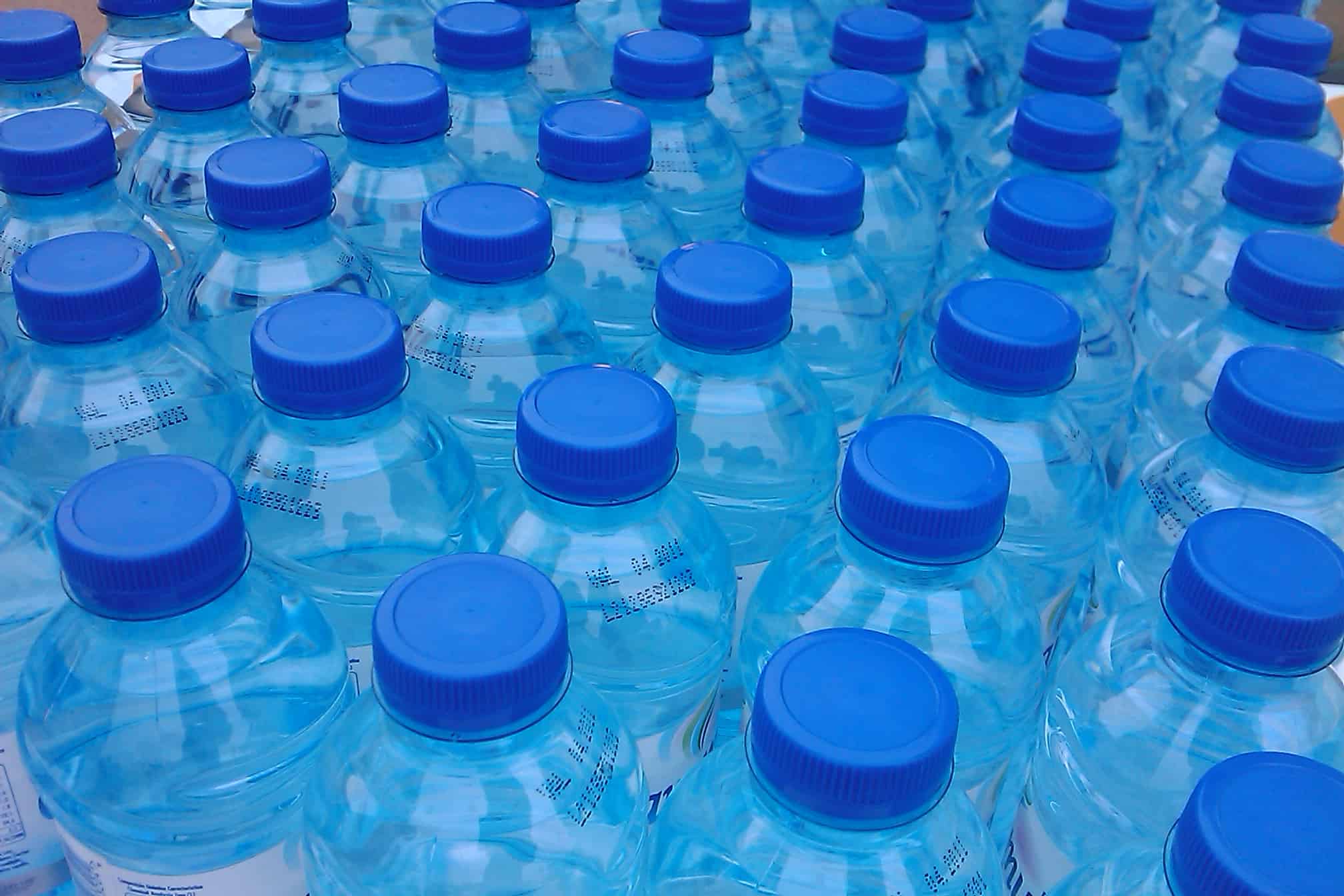
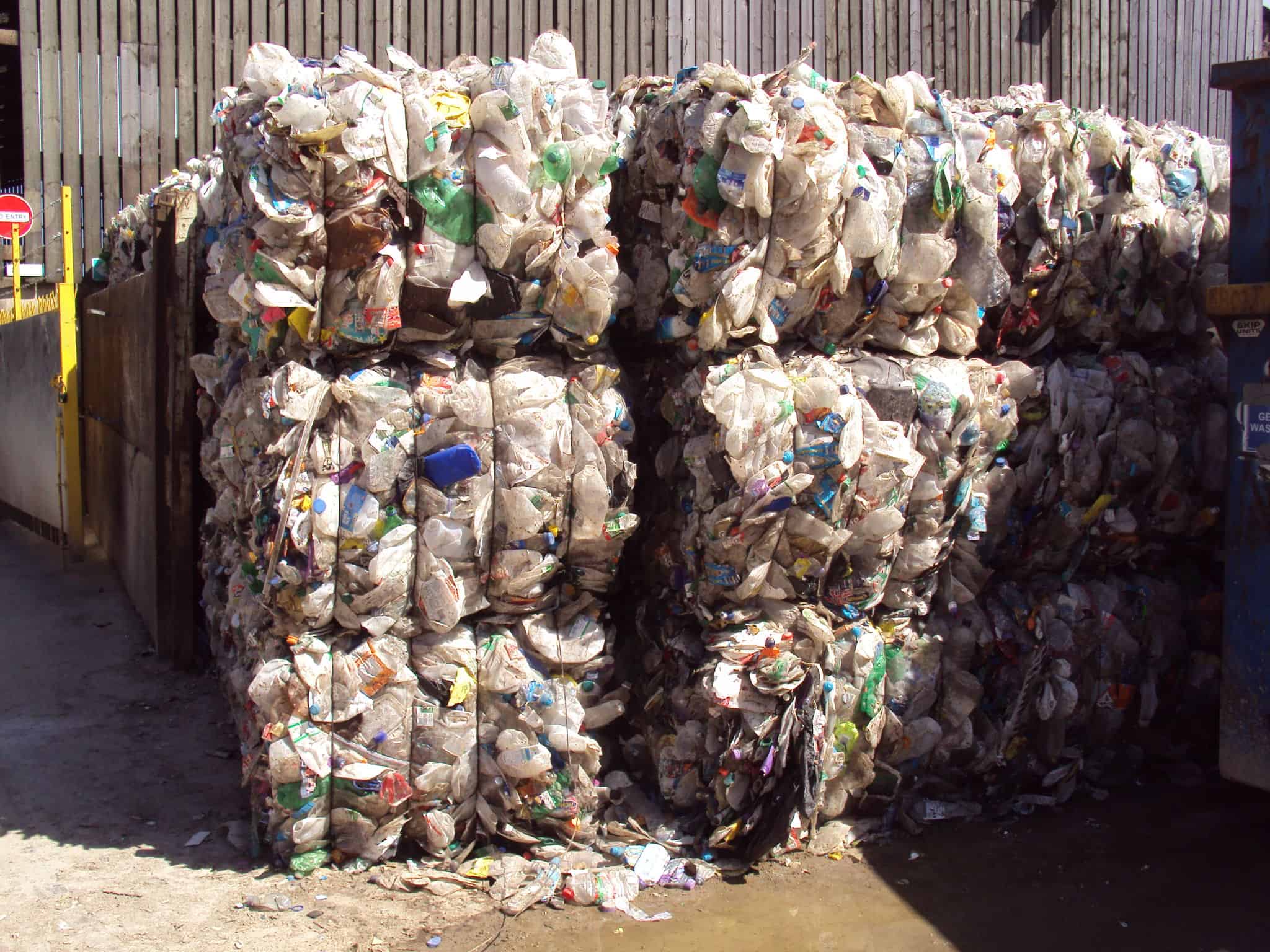
Not only can plastic bottle recycling result in monetary savings, it can even become a revenue stream. That’s right. We won’t just take your used plastic bottles off your hands… We’ll buy them from you. As well as buying bulk quantities of plastic scrap from businesses, we also pay for your plastic bottles! We also collect and recycle plastic bottle tops so you don’t need to worry about separating them.
All we need is 12-15 good quality photos of the load for us to begin the process. Following this, a dedicated account manager will get in touch to arrange for material inspection. Once this has taken place we will be able to confirm an accurate buying price.
Many factors impact the price of material including market prices, loading weights, volumes, material quality, and the sorting/picking process.
All material is collected using a curtain sider vehicle or shipping container, squashed down and baled so that we can send greater quantities per load to the plastic bottle recycling factory.
Here the bottles are dry cleaned and sorted using an optical beam that separates the different types of plastic. This is important as different plastics melt at different temperatures. However, to ensure efficient melting, first, the bottles need to be broken down.
Thus, the bottles are ground into little flakes which are then washed and sorted once again. Depending on the kind of plastic in the bottles, the flakes are either decontaminated using a chemical solution or melted down and sieved to form beads as the plastic cools.
These beads or flakes can then be melted down again and turned into a huge array of new products. They might be made into anything from packaging to clothes, shoes, and bags to garden furniture or drainage pipes or just new plastic bottles!
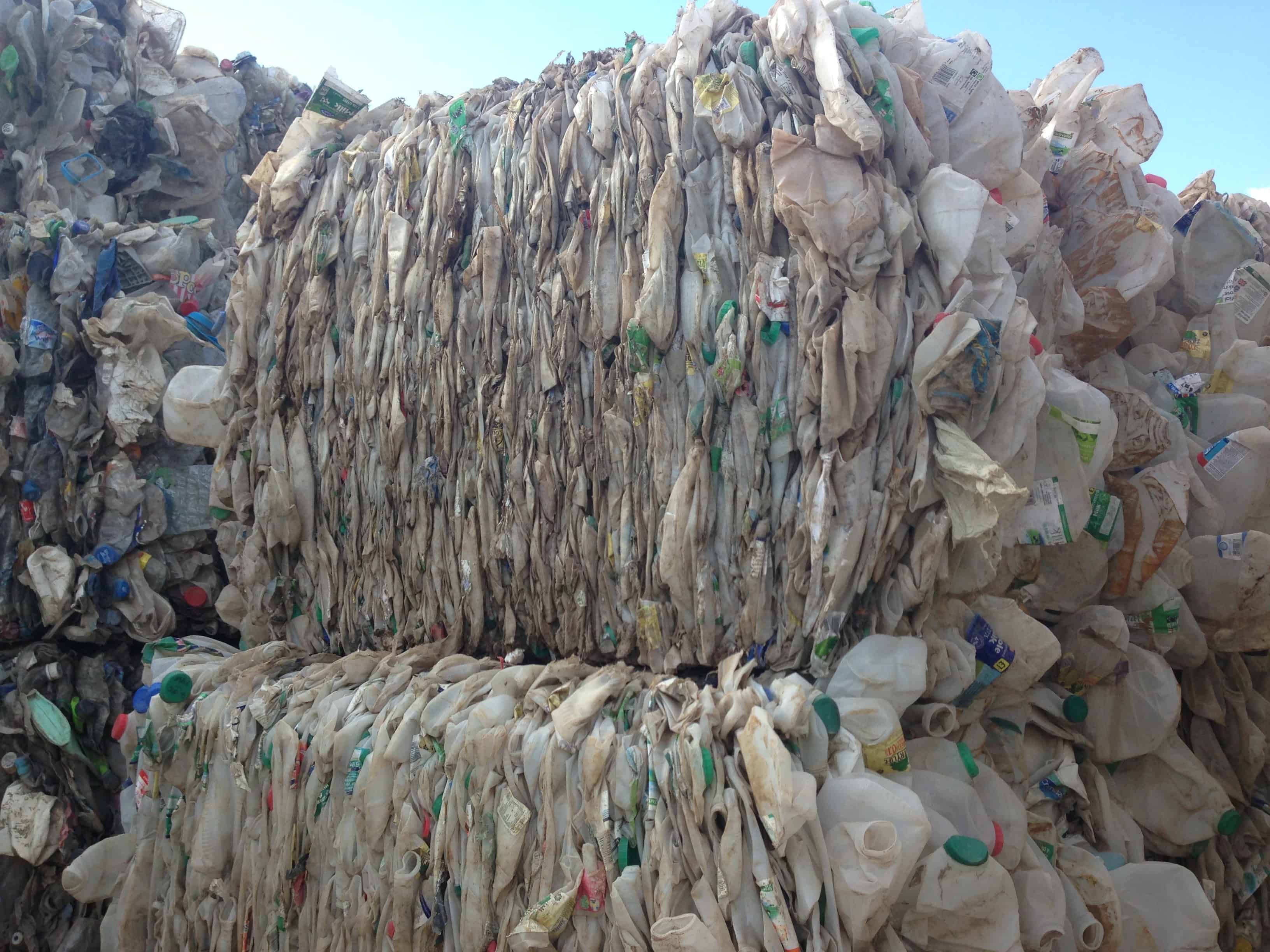
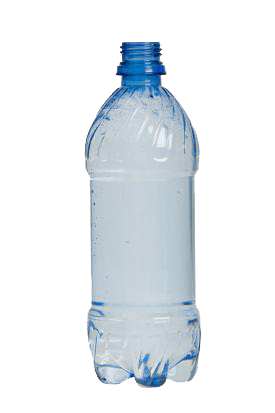
We understand how frustrating it can be when a recycling company deems some of your waste plastics acceptable while turning its nose up at others. That is why we work hard to accommodate all of your plastic bottle recycling, and water bottle recycling needs. We buy lots of different types of plastic to take the effort out of sorting and storing your plastic bottle waste. The grades of plastic bottles we buy include:
This means that your team and your business can enjoy greener credibility without needing to put a lot of thought or effort into sorting out plastic bottle waste. After all, you’ve got a business to run!
Plastic recycling contamination is a term used to describe when non-recyclable plastics get into the same lorry load as recyclable plastics. It can also refer to when other materials like food matter get into plastic recycling. This can, in some cases, result in lorry loads of recycling being diverted to landfill.
Fortunately, we work diligently to reduce risk of plastic contamination to keep your business’ conscience clear.
Plastic bottles are everywhere these days. And while businesses can take steps to reduce their reliance on these and other single-use plastics, that does not mean that the plastic bottles they use can’t be put to good use. You can be assured that your plastic bottle waste is in the safest possible hands with our diverse and efficient recycling processes.
We provide a suite of plastic recycling services that aren’t just limited to plastic bottles. From old UPVC windows to polystyrene packaging. Get in touch with us today to see how we can help your business get a little greener!