

Polystyrene / EPS recycling
Polystyrene recycling service for your business
We provide polystyrene waste disposal and recycling services for businesses nationwide. Although this waste is not commonly recycled, our specialist team can ensure your materials are recycled effectively.
Who we collect from
- Manufacturing & packing
- Retail & distribution
- Construction & insulation
- Fish, food & cold chain
- Councils & public sector
POLYSTYRENE WASTE COLLECTIONS
Polystyrene & EPS Recycling Services UK-Wide
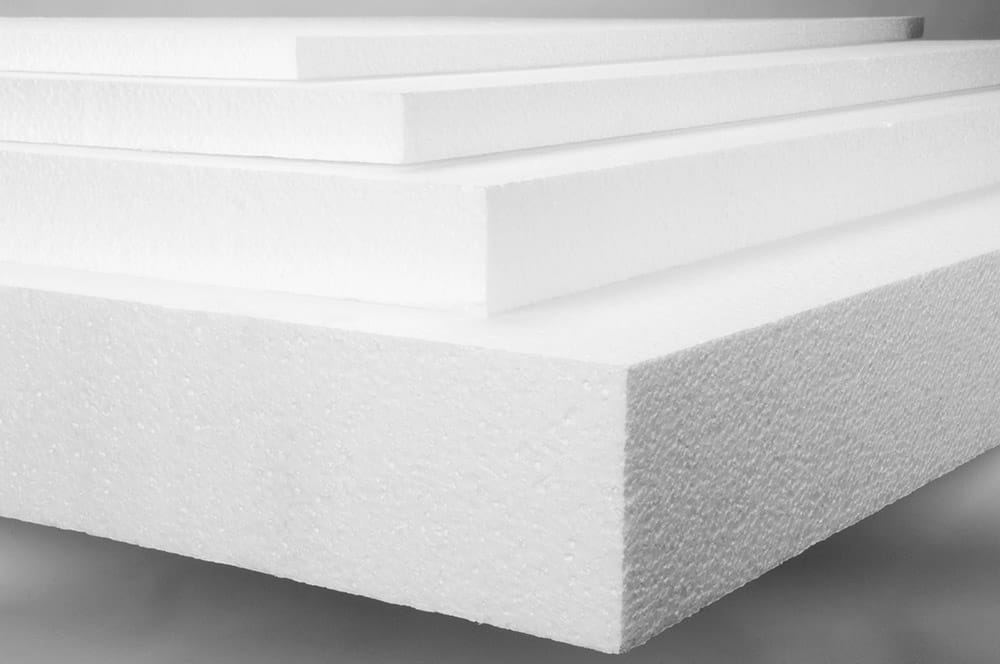
Expanded polystyrene (EPS) is around 98% air. That makes it brilliant packaging and a nightmare as waste. A skip fills in minutes, hauliers charge you high fees, and most general waste contracts send it straight to landfill or incineration.
Waste polystyrene is, however, 100% recyclable. Compacted or densified, EPS becomes a valuable polymer feedstock that goes back into picture framing, skirting, insulation board and new packaging.
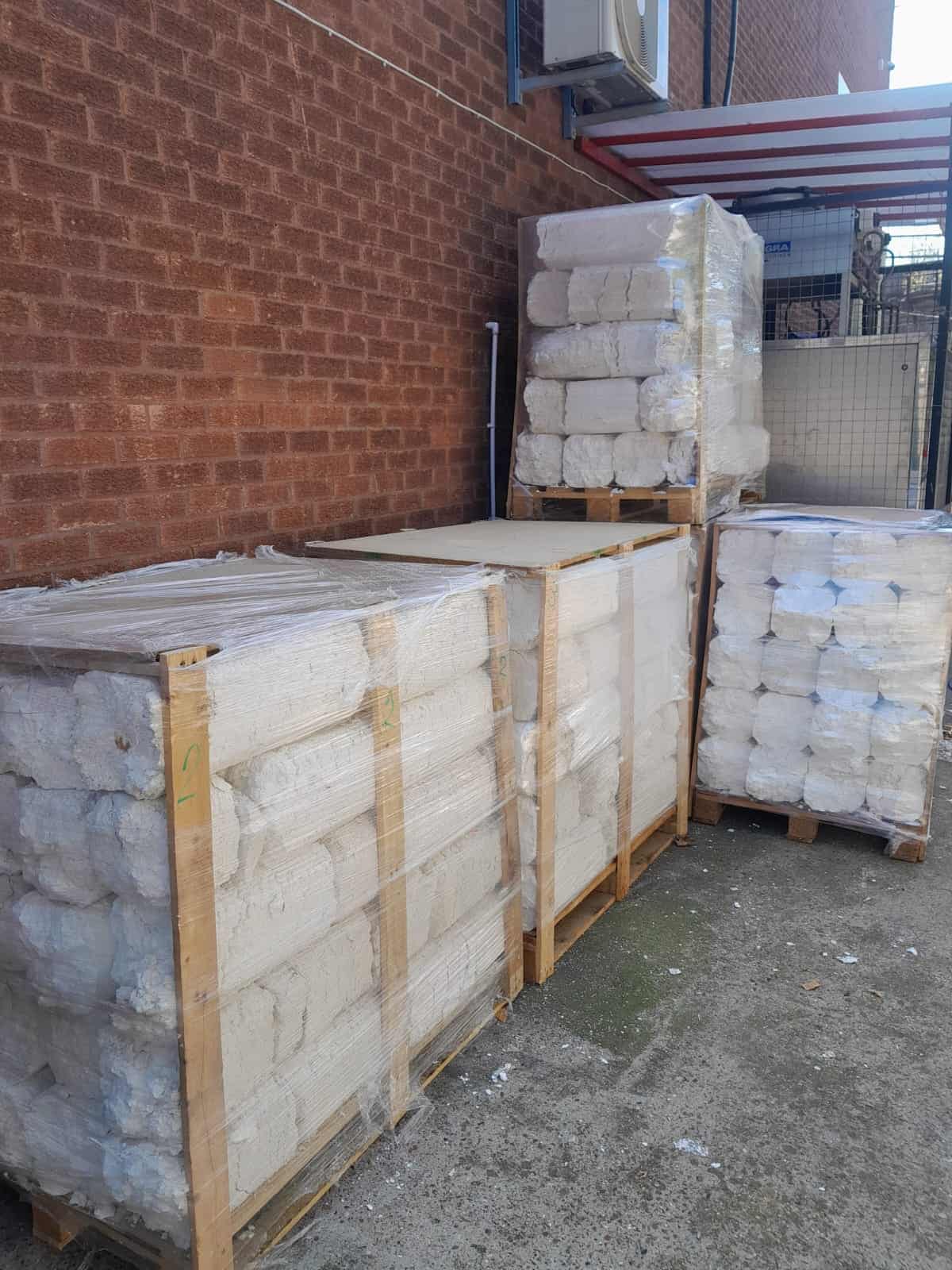
Our team can collect polystyrene briquettes, including waste from fish boxes, void fill, insulation offcuts and moulded transit polystyrene packaging.
98% Air
100% Recyclable
The process
How our polystyrene collections work
We provide a dedicated point of contact for each of our customers, with clear communication throughout. Collections are available on a ad-hoc or scheduled basis.
1
Send us your details
Send us your contact information, waste details and collection address.
2
Receive a quote
We provide a price for the collection, depending on the volume and location.
3
Arrange a collection
Licensed carriers and our haulage network. Bales or briquettes required.
4
Recycle your materials
Densified and sent to a permitted reprocessor. Nothing to landfill or incineration.
5
Receive documentation
Waste Transfer Note and recycling certificate provided for your audit file.

Equipment
Polystyrene Compactors
If you are producing polystyrene regularly, compacting it on site makes it easy to manage and cost effective. We provide a range of polystyrene compactors to hire or buy, along with collections for your waste materials.
- Waste compactors for EPS and mixed waste
- Mill size balers for high-throughput sites
- Small and medium vertical balers
- Baling wire, consumables and servicing
Compliance
Your duty of care, documented
Every load is tracked and every document is issued as standard, so your audit file is complete without anyone chasing us for paperwork. Copies are available on request at any time from our waste management team.
Waste Transfer Notes
ISSUED
Registered waste carrier licence
ON FILE
Permitted destination sites
AUDITED
Recycling certificates & audit trail
PER LOAD
Dedicated account manager
EVERY CLIENT

Case study · Construction Company
Expanded polystyrene recycling
4 tonnes of EPS cleared from a tower block refurbishment
Briquetted EPS from a Bristol strip-out and reclad. Collected within days of the enquiry, all on one curtain sider, with full recycling documentation and recorded weights issued afterwards.
4+ tonnes
recycled
1 lorry
single collection
0%
to landfill
FAQs
Petroleum is made into a liquid hydrocarbon called styrene, which is then converted into polystyrene. This is through a chemical process known as suspension polymerization. Due to this type of plastic structure, polystyrene is incredibly difficult to degrade. Some examples include food packaging material, food trays, and other consumer polystyrene packaging such as polystyrene cups. Extruded polystyrene (XPS) is often used in ceiling insulation. Polystyrene’s toxic nature also makes some products hazardous, meaning they must be disposed of professionally.
Extruded polystyrene foam, also known as XPS, is made using a manufacturing process where polystyrene beads are heated and then extruded into shape. This process allows for a closed-cell structure, making XPS a good insulation material.
Expanded polystyrene, also known as EPS, is made by heating polystyrene beads, causing them to expand and take on a foamy structure. This forms a less dense and more lightweight structure than XPS. This is commonly used for a variety of products, including packaging for white goods.
Expanded polystyrene, also known as EPS, is made by heating polystyrene beads, causing them to expand and take on a foamy structure. This forms a less dense and more lightweight structure than XPS. This is commonly used for a variety of products, including packaging for white goods.
There are three common methods of recycling, known as granulation, compacting, and densifying.
Granulation: Lighter density forms of polystyrene can go through a machine known as a granulator. This machine separates down to the tiny beads that make it up, which are then are mixed into unused polystyrene granules.
Compacting: For denser forms of polystyrene, they have to go into a compactor that presses them together. The resulting material is a very heavy and thick bale of pure polystyrene. These bales go through a machine that then shreds them into new General Purpose Polystyrene Pallets.
Densifying: There are other methods of recycling that are used less frequently, too. For instance, expanded polystyrene can be fed into a machine called a foam densifier.
Granulation: Lighter density forms of polystyrene can go through a machine known as a granulator. This machine separates down to the tiny beads that make it up, which are then are mixed into unused polystyrene granules.
Compacting: For denser forms of polystyrene, they have to go into a compactor that presses them together. The resulting material is a very heavy and thick bale of pure polystyrene. These bales go through a machine that then shreds them into new General Purpose Polystyrene Pallets.
Densifying: There are other methods of recycling that are used less frequently, too. For instance, expanded polystyrene can be fed into a machine called a foam densifier.
Styrofoam is an extruded polystyrene (EXS). Although styrofoam is commonly more difficult to recycle, specialist businesses such as Plastic Expert can collect and recycle this waste in bulk loads.