
Welcome to the first part of our ‘Sustainable Cities’ series, focusing on urban recycling around the globe.
We talked recently about Dunbar, a small coastal town in Scotland who have entered a long term scheme to become Britain’s first Zero Waste town. On the other side of the Atlantic, we are hearing a lot about another city who are using innovative ideas to improve recycling. 
Tasty Waste!
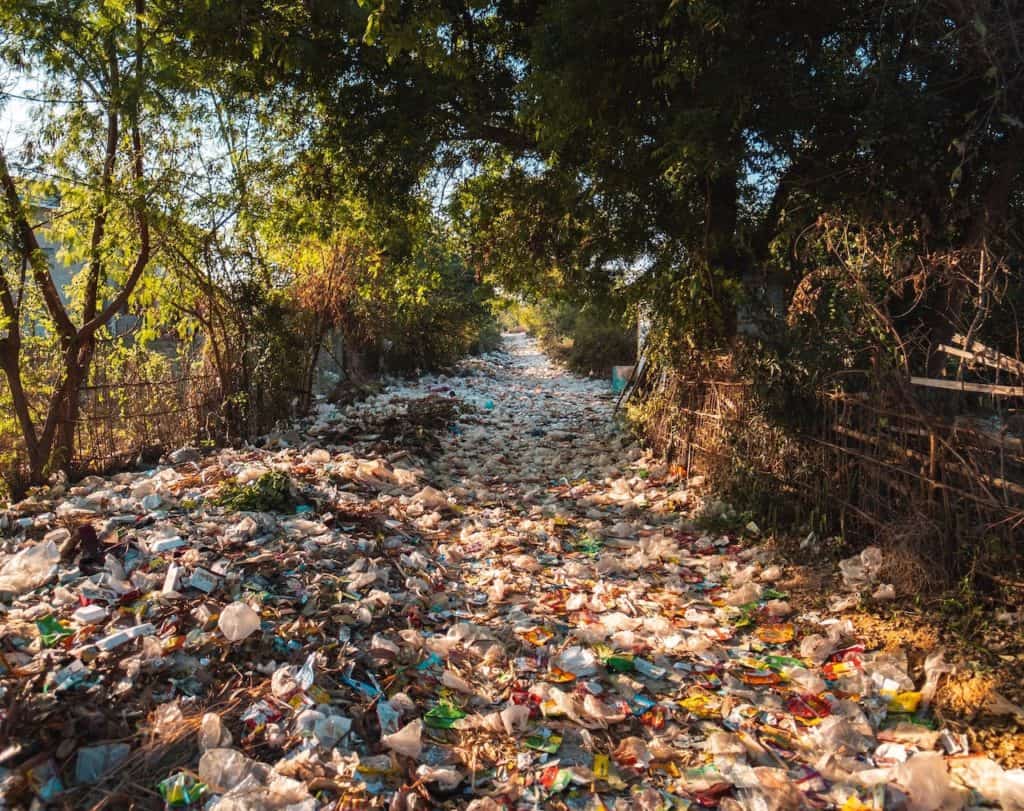
Mexico City, the Capital of Mexico, has an urban population of over 21 million people. That’s a lot of waste. There’s a notable resistance from inhabitants to recycle, which was a huge stumbling block, until the city thoughts outside the box and welcomed a solution. This resolve came last year, when the city began trading recyclable waste for food, which went down very well with the city-folk. The 21 million strong population create an average of 12,000 tonnes of solid waste each day, which is absolutely staggering. 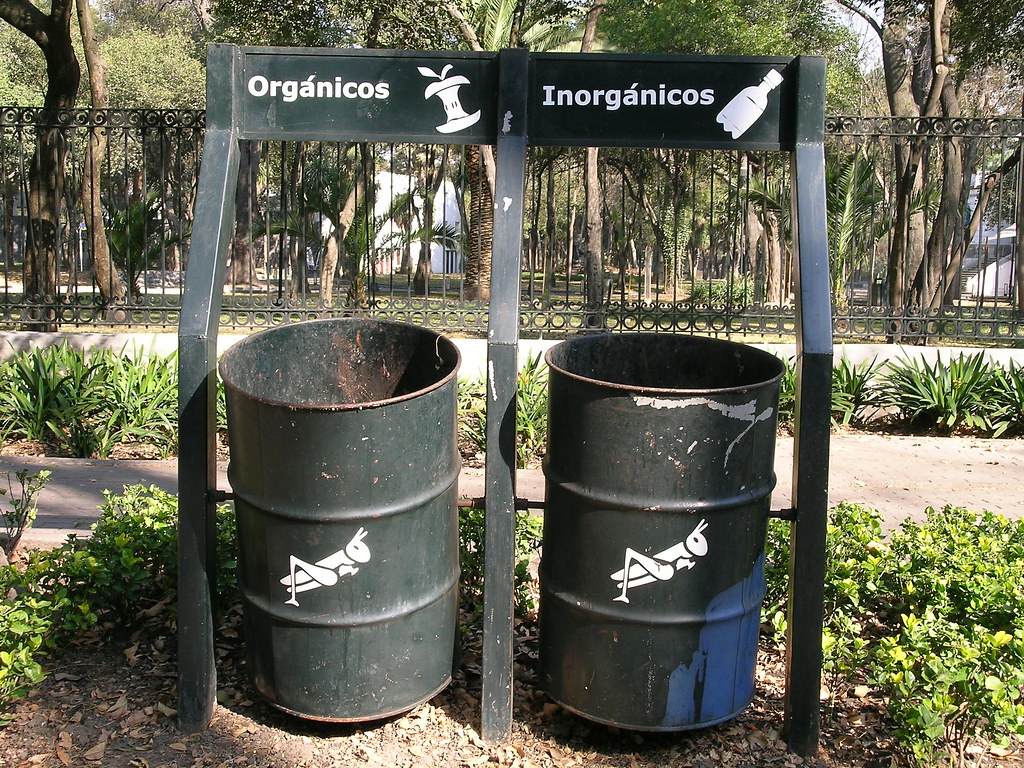 In December 2011, the city closed it’s predominant landfill, Bordo Poniente, a super-massive waste-hole (370 hectares, 17m deep) with an estimated 76 million tonnes of waste. Some of that waste had been sat there for over 25 years. However, failing to prepare for the close of the landfill, the city started to accumulate rubbish, on the streets, down alley ways, on illegal dumping sites, cars parks and fields. It was a mess. Neighbouring Mexican states refused to take the city’s waste, and garbage trucks sat full, with nowhere to go. It was a mess.
“The landfill closure and biogas utilisation of Bordo Poniente are the main climate control actions of Mayor Ebrard’s present administration,” said Fernando Menéndez-Garza, General Coordinator of Mexico City’s Comprehensive Solid Waste Management Commission. “This project is expected to reduce 19.8 million tonnes of CO2e during its 25-year lifespan or 20 percent of Mexico City Government’s total greenhouse gas contribution.”
Recycled Plastic Price = Breakfast & Dinner
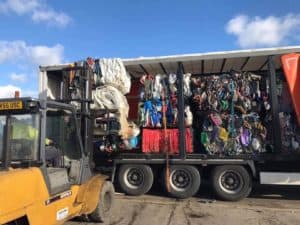
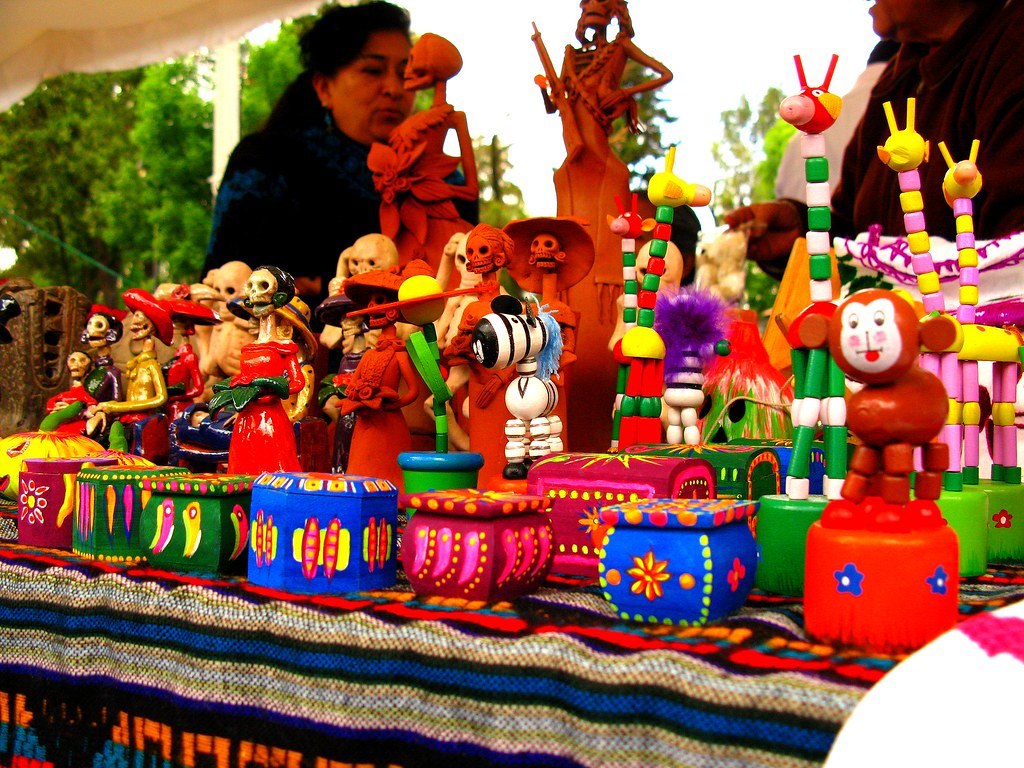
The ‘Mercado del Trueque’, which roughly translates to ‘Barter Market’, is a massive market on the west side of Mexico City in the ‘Bosque del Chapultepec’ park. Under a canopy of beautiful trees, the locals drag sacks of recyclable materials, like plastic, paper and metal, for exchange. Government workers man tents known as ‘green points’ and exchange the sorted materials for vouchers, which are then swiftly used in exchange with local farmers. The recycled plastic generates an income for the government, as they sell materials on to re-processors. This scheme saw 3,000 families recycle 11 tonnes of waste on it’s opening day in 2013, and have seen a brave increase since. Despite the healthy dent in the city’s rubbish problem, the food costs couldn’t be recovered by the city, and so they began accepting waste electronics, presumably to repair and sell. The ‘Mercado’ runs on the first Sunday of the month, and is now very popular, with residents happy to kill two birds with one stone, getting rid of waste and getting fed. Consider that Mexico City was hostile to the idea of recycling (they still only recycle 12% of the waste), projects like this can help a lot of people. The city officials are aware that they have a tough task ahead of them, which is why they are encouraging recycling in many forms.
Recycled Plastic Boats!
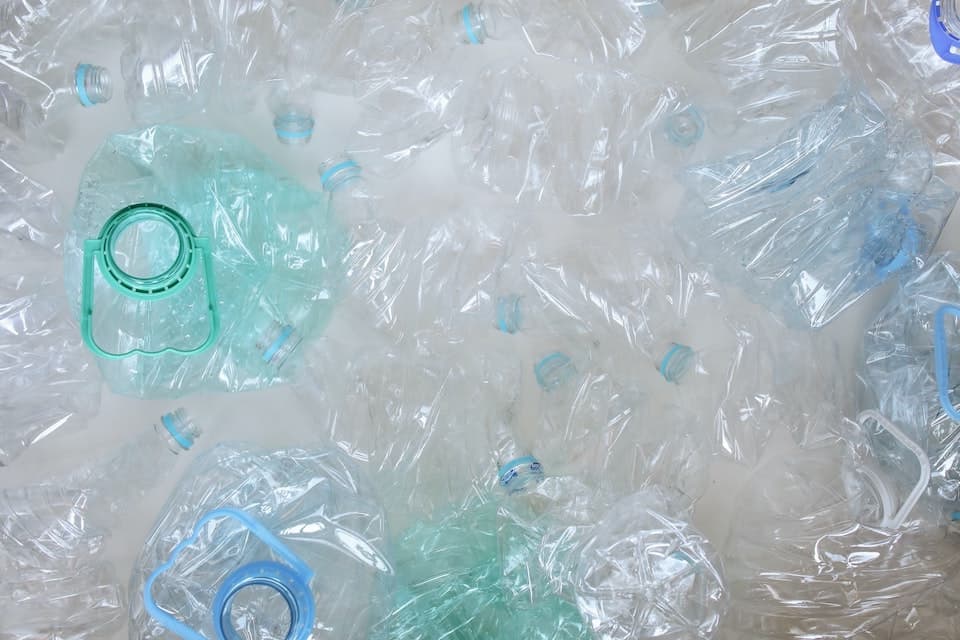
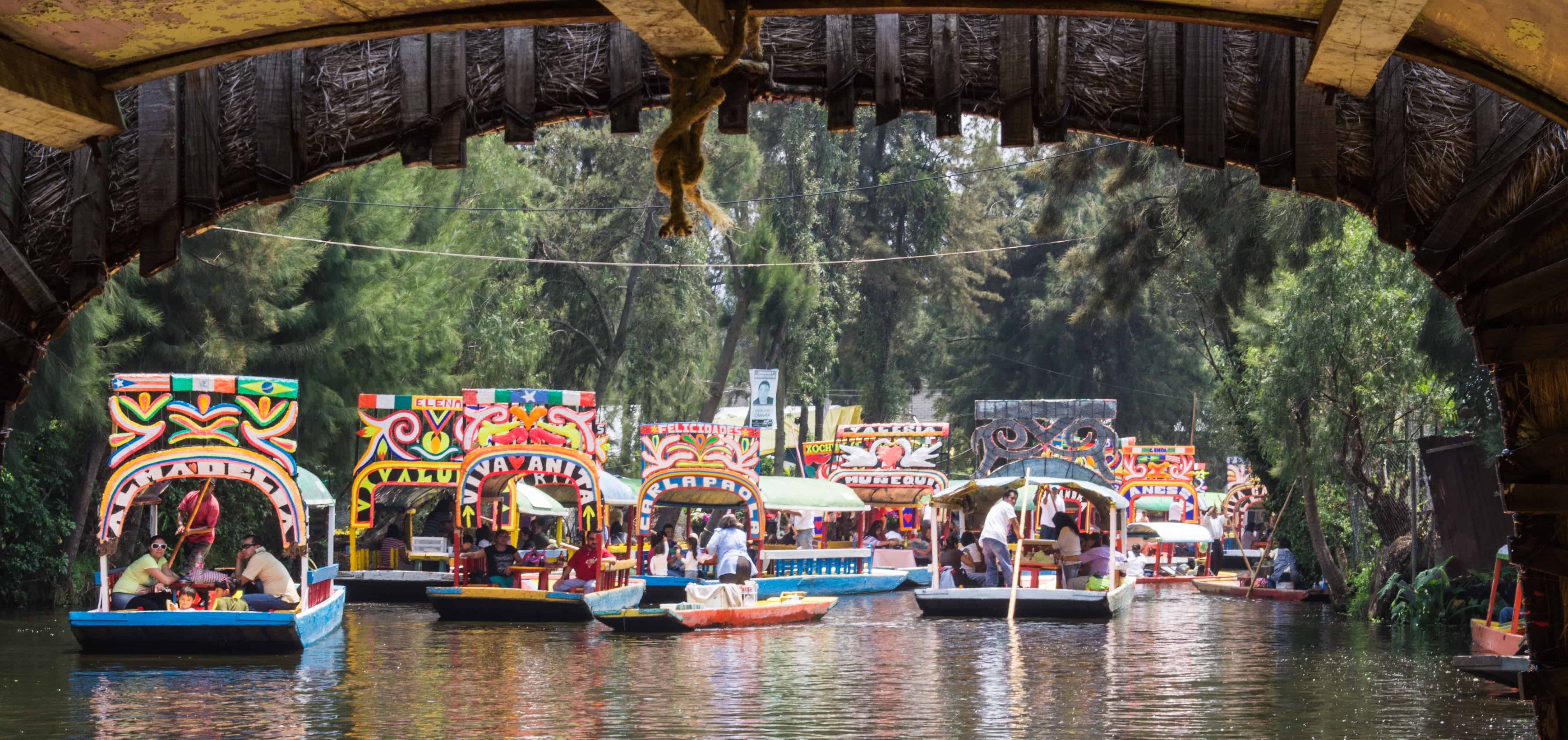
One of the most talked about schemes in Mexico city is the long term replacement of the wooden boats in the Xochimilco canal with PET plastic recycled boats. The environmentally friendly alternative will use technology purchased from Japan to help local boat users become more sustainable. The wooden boats incur high maintenance costs, whereas the PET plastic equivalents will last for 100 years virtually unscathed. 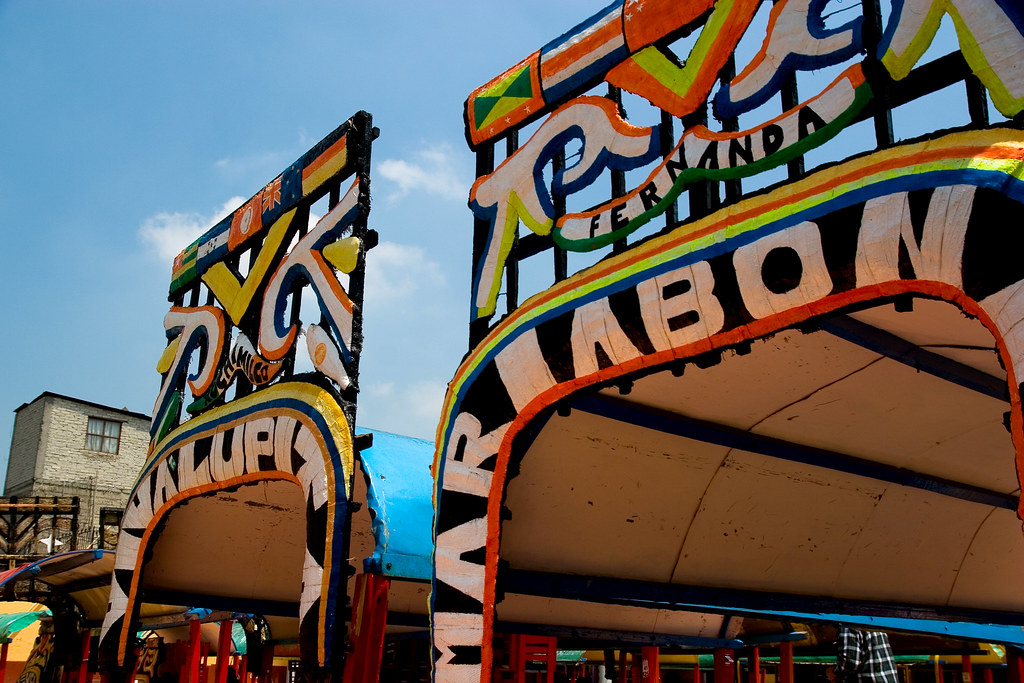 It’s funny how the world works, and its interesting to realize that the escalating degradation of the wooden boats is due to the polluted river water, caused by a failure to tackle city waste. The polluted water contains fungi that accelerates wood rot. The new PET plastic boats, named ‘Trajinera’, will continue to transport tourists around the city, traditionally though, they were used for transporting materials. The recycled plastic boats will be made from a combination of polluted river water, shampoo bottles and plastic bags. (To see more ways to recycle plastic bags, click here) This is a long term plan, as the expensive Japan machinery that utilizes the recycled plastic is no quick process. At it’s fastest it can only produce 4 boats a week, meaning it could take over 7 years to replace the 1500 boats in the Xochimilco canal. The good news is that over that time, at least 30,000 trees will be saved from the chop.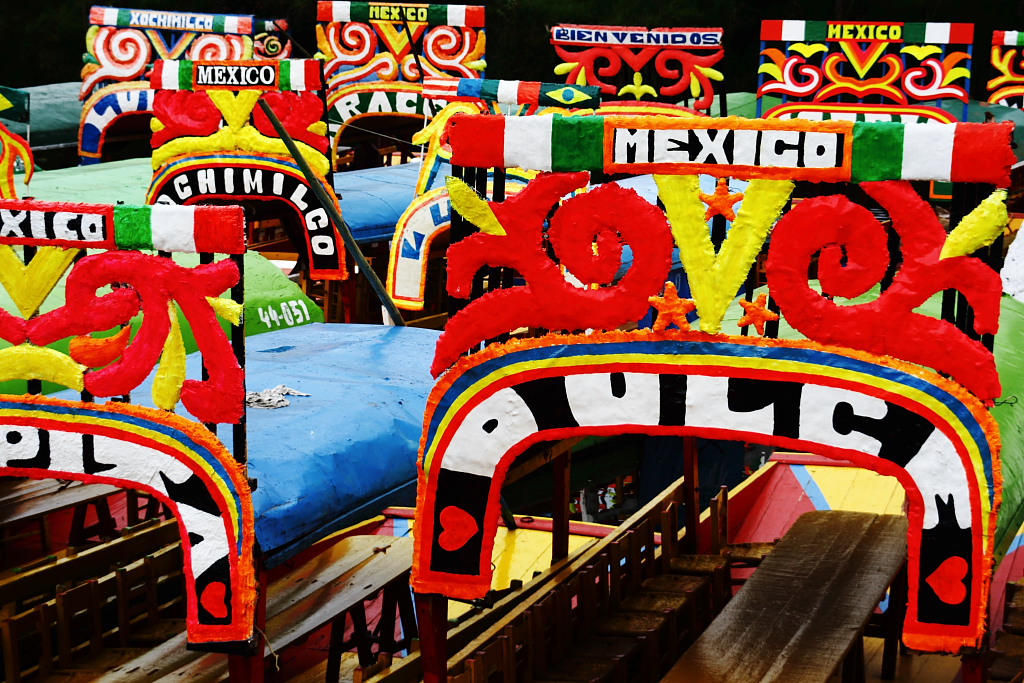
Light me up!
The city government has also announced 25 year plans to utilise the biogas produced from the closed Bordo Poniente Landfill to power the city’s public lighting. The move is expected to save up to 2 million tonnes of greenhouse gas emissions in the first year alone. Over 25 years, there are huge savings to be made, especially for the city coffers, where money can be reappropriated to help the needy. The previous mayor, Ebrard, said of the $2 billion project:
“If it can be done here, it can be replicated elsewhere, even if the solution is a complex one.”
Mexico Recycling and Plastic Facts
- World’s second largest consumer of PET bottles
- World’s biggest consumer of Coca Cola products
- Average Mexican citizen discards 2 bottles per day (6kg annually)
- Mexico discards 750,000 tonnes of PET each year
- Fizzy drinks third greatest Mexican expense, after milk and tortillas
- Mexico’s recycled PET rose from 8.8% in 2002 to 35% in 2012.